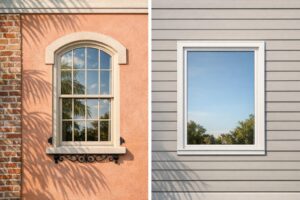
When replacing windows, the initial price tag often hides additional expenses that can quickly add up. While the average cost per window in the U.S. ranges from $338 to $897, the true cost goes beyond materials and labor. Disposal fees, structural repairs, custom sizing, and finishing work are common surprises that can increase your budget by 20% or more.
Key hidden costs include:
- Old Window Disposal: Fees for removing and discarding old windows, especially if materials like lead paint require special handling.
- Structural Repairs: Issues like rotting wood, water damage, or mold uncovered during installation.
- Custom Sizing: Adjustments for non-standard window sizes, often requiring extra framing or modifications.
- Finishing Work: Painting, caulking, and weatherproofing tasks not typically included in quotes.
Delaying window replacement can also lead to higher energy bills and worsening structural problems, making timely action essential. To avoid surprises, get detailed quotes, schedule during off-peak seasons, and work with experienced contractors. Planning ahead can save you from unexpected costs and ensure a smoother project.
Common Hidden Costs in Window Replacement
When budgeting for window replacement, it’s easy to focus solely on the price of the windows and labor. However, there are often hidden expenses that can catch you off guard and significantly increase your final bill. These costs usually surface during the project and can quickly add up.
Old Window Disposal Fees
Disposing of your old windows isn’t always included in the initial estimate. For larger projects, these fees can add hundreds of dollars to your costs. The price depends on factors like the number of windows, local waste management rules, and whether the materials require special handling.
For instance, older windows with lead paint or unique glazing compounds might fall under strict disposal regulations. Contractors may charge a flat rate for the entire project or bill you per window. Before signing a contract, confirm whether disposal fees are included or if they’ll be an extra charge. On top of that, unforeseen damage behind the window frames could further increase your expenses.
Structural Repairs and Damage
Window replacement projects often reveal hidden structural issues, such as water damage, mold, rotting wood, or termite infestations. These problems can cost hundreds – or even thousands – of dollars to fix. In some cases, what seems like a minor window leak could turn out to be a more extensive issue, like a roof problem, which must be addressed before the new windows can be installed. These repairs can also delay your project by weeks or even months.
Upgrading to larger or heavier windows may also require structural reinforcement. For example, switching from single-pane to triple-pane windows or opting for a different frame material might necessitate adjustments to your home’s structure to accommodate the added weight and size.
Custom Window Sizing Costs
If you’re opting for custom-sized windows, be prepared for additional costs. Custom dimensions often require extra framing and structural modifications, which can push the price of a single window well above $554. Adjusting or expanding window openings to fit new sizes often involves reinforcing the surrounding walls, adding both material and labor expenses.
"I called everyone on Google looking for 60″ windows. None were willing to look further than their catalog – they said it only went up to 54″. Then I found these guys. Icon quickly found what I needed." – Randy H., Client of Icon Window & Door
Specialized companies that offer custom fabrication typically charge premium prices. Additionally, finishing work after installation – like trimming and painting – can further increase your budget.
Finishing Work After Installation
Finishing touches, such as repainting, caulking, and repairing trim, are often not included in initial quotes. These tasks can add hundreds of dollars to your final costs. Most window installers don’t handle painting, so you may need to hire another contractor or take on the work yourself. Often, this involves more than just minor touch-ups – you might need to repaint entire sections of a wall or fix drywall damaged during the removal of old windows.
Weatherproofing and caulking are other commonly overlooked expenses. While basic installation includes sealing the window frame, a thorough weatherproofing job around the trim and exterior surfaces often costs extra. Skimping on this step could reduce your windows’ energy efficiency, potentially leading to higher utility bills in the future.
Costs of Delaying Window Replacement
Putting off window replacement might seem like a way to save money in the short term, but it often leads to hidden expenses that pile up over time. Recognizing these costs is just as important as budgeting for the installation itself. Acting promptly can save you from these escalating financial burdens.
Higher Energy Bills
Old, poorly insulated windows are notorious for driving up heating and cooling expenses. Without modern sealing techniques, they allow drafts and temperature fluctuations that make your HVAC system work overtime, increasing your energy bills. While energy-efficient windows, such as double or triple-glazed options, may require a larger upfront investment, they deliver significant savings in the long run by cutting down on energy use.
Worsening Structural Damage
Delaying window replacement doesn’t just affect your utility bills – it can also lead to more serious structural problems. What starts as a minor issue, like a small crack or slight water damage, can quickly grow into a costly repair job. Left unchecked, these problems could uncover larger issues, such as roof leaks, that need to be resolved before new windows can even be installed.
Additionally, supply shortages and rising material costs can make these repairs even more expensive over time. In severe cases, neglecting window replacement can compromise your home’s structural integrity, potentially requiring reinforcement of walls or other costly interventions. Every delay increases the risk of spiraling repair costs and more extensive damage.
sbb-itb-cdbcc3e
How to Reduce Hidden Costs
Planning ahead can help you avoid unexpected expenses. The trick lies in knowing what to ask and when to schedule your project.
Get Complete Written Quotes
A detailed written quote can save you from unpleasant surprises. Make sure it includes everything – labor, materials, disposal fees, structural repairs, custom sizing, finishing work, and permits. Don’t settle for vague estimates; ask for specifics.
For example, ask: "Does your quote include disposal fees and repairs for unexpected issues?" Questions like this can uncover costs that might otherwise catch you off guard. Imagine contractors uncovering rotted wood or mold behind old window frames during removal – those repairs could easily add hundreds or even thousands of dollars to your project.
A reliable contractor will explain these potential variables upfront, giving you a clearer picture of the costs. This transparency helps you plan better and avoid mid-project surprises.
Schedule During Off-Peak Times
Timing your project strategically can also save you money. Late fall and winter are typically slower seasons for contractors in most parts of the U.S. During these off-peak months, contractors may offer discounts to keep their schedules full.
Material costs also tend to drop outside peak seasons. While weather-related delays can occasionally occur, the savings often outweigh the inconvenience. Be sure to ask contractors about seasonal pricing and availability – many are open to negotiating during slower periods.
Work with Trusted Contractors
Choosing the right contractor is crucial for avoiding hidden costs. Experienced professionals can help you sidestep issues like air leaks, water damage, or higher maintenance costs down the road.
Take Icon Window & Door in South Carolina as an example. They prioritize quality craftsmanship, clear communication, and partnerships with dependable manufacturers. Their process includes thorough discussions to understand your specific needs.
"We hold honesty and respect at the core of our business transactions. You can trust us to do it right." – Icon Window & Door
When evaluating contractors, check their licenses, read reviews, and ask for project references. Look for companies with 5-star ratings and feedback highlighting reliability and quality work. A contractor who conducts detailed site visits and openly discusses potential challenges will help you avoid costly surprises.
Investing in a skilled contractor pays off by providing accurate estimates, proper installation, and warranties that protect you from future repair costs.
Conclusion: Planning Your Window Replacement Budget
Careful planning is key to avoiding unexpected costs during a window replacement project. It’s a good idea to set aside an extra 10–20% of your budget to account for things like disposal fees, structural repairs, custom sizing, and finishing touches. With the average cost of replacing a window falling between $338 and $897 – and full-home projects ranging from $2,678 to $13,840 – these additional expenses can quickly add up. Homeowners who take the time to get detailed written quotes, plan their projects during slower seasons, and hire skilled contractors are far less likely to encounter unpleasant financial surprises.
Opting for cheap windows might seem like a smart way to save money upfront, but it often leads to higher energy bills – sometimes as much as $60 more per month – and frequent repairs later on. Older windows can contribute to as much as 30% of your home’s energy loss, making replacement a smart investment that can pay for itself over time. Ignoring the issue can result in rising energy costs and even structural damage.
Choosing the right contractor can make all the difference. Companies like Icon Window & Door in South Carolina, for example, show how working with professionals who prioritize transparent quotes and quality craftsmanship can protect your budget. A good contractor helps you avoid costly mistakes caused by poor installation or inadequate planning.
FAQs
How can I estimate the full cost of window replacement, including hidden fees?
When planning for window replacement, it’s essential to consider possible hidden costs that could come up during the project. These might include fees for disposing of old windows, structural repairs if any damage is uncovered, or extra charges for custom-sized windows designed to fit unconventional openings.
To keep everything on track and avoid unexpected expenses, partner with a provider that offers clear pricing and detailed quotes tailored to your home’s unique requirements. Investing in high-quality windows – like those from Icon Window & Door – not only improves your home’s style and energy efficiency but also ensures the entire process stays smooth and stress-free.
What structural issues should I watch for during a window replacement project?
When replacing windows, you might encounter structural challenges like water damage, rotting wood, or shifting frames. These issues can complicate the installation process and sometimes lead to extra repair work.
To minimize unexpected problems, take a close look at the area around your windows. Watch for warning signs such as cracks, mold, or uneven surfaces. Bringing in a professional can be a smart move – they can spot hidden issues and help ensure the installation is seamless while maintaining the overall condition of your home.
What are the advantages of replacing windows during off-peak seasons, and how can it help save money?
Replacing your windows during the off-peak seasons – like late fall or winter – can come with some great perks. For starters, contractors tend to have more open schedules during these quieter months, which means you could get your project scheduled faster. Plus, with lower demand, labor costs might be a bit easier on your wallet.
On top of that, many suppliers or installers may roll out seasonal discounts during these times, giving you a chance to cut down on overall expenses. Tackling your window replacement during these less hectic periods can also help you sidestep the delays that often come with busier times of the year. It’s a smart approach to getting quality work done while keeping an eye on your budget.