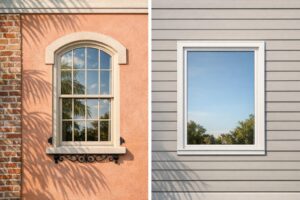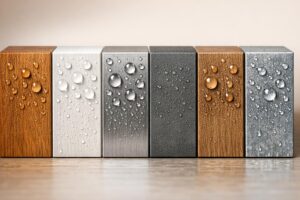
When designing homes with mixed architectural styles, windows are key to creating harmony between different design elements. They need to balance aesthetics, functionality, and energy efficiency while complementing the unique blend of styles in your home. Here’s how to make the right choices:
- Consistency Matters: Use matching frame colors, finishes, and proportions to tie diverse styles together.
- Proportional Design: Ensure window shapes and sizes align with your home’s overall structure.
- Material Selection: Choose materials like fiberglass, wood-clad, or composite for durability and flexibility across styles.
- Custom Solutions: Custom-sized or shaped windows can address unique architectural needs.
- Energy Efficiency: Opt for double- or triple-pane glass with low-E coatings to reduce energy costs by up to 12%.
For homes blending traditional and modern elements, windows act as a unifying feature. Consulting professionals can simplify the process, ensuring your windows enhance both form and function.
Understanding Mixed Architectural Styles in Homes
What Are Mixed Architectural Styles?
Mixed architectural styles bring together design elements from various eras or styles to create homes that stand out. Instead of sticking to one specific aesthetic, homeowners combine features from different periods to match modern needs and preferences. For example, you might see a blend of Colonial and Modern styles, where timeless, symmetrical facades meet sleek, contemporary lines. Another popular pairing is Craftsman and Contemporary, which merges handcrafted details with minimalist designs. These combinations are growing in appeal as people look for homes that balance practicality with visual charm.
“Architectural style is a basic set of characteristics about a structure or building that sets itself apart from others based upon its design features, which many can be historical in nature.” – Mojo Stumer
This trend reflects how modern architecture embraces flexibility and reinterpretation. Many homes today mix diverse styles while incorporating eco-friendly features and experimenting with both angular and curved forms. Transitional architecture is a prime example, blending traditional designs with modern materials to create something fresh. Another rising trend involves integrating modern conveniences and energy-saving technologies into homes that maintain a traditional exterior look. One key element that helps unify these diverse styles? The windows.
Why Windows Matter
Windows play a pivotal role in tying together the different elements of mixed architectural styles. They are more than just functional; they become design focal points that can either harmonize contrasting features or create bold accents. Research highlights how windows and doors help connect various style elements, with factors like glass size and placement refining a home’s exterior. Thoughtful window selection ensures the overall design feels cohesive, whether the goal is seamless blending or striking contrast.
Choosing the right window colors can also make a big difference. Complementary or contrasting tones can help unify diverse materials and textures, adding depth and personality to the home. By integrating multiple materials in a consistent color palette, homeowners can create a façade that feels both cohesive and visually interesting. In homes where styles collide, windows are the glue that holds everything together.
Can you mix window types and still get a cohesive look in your home?
Key Principles for Matching Window Designs
Creating harmony in window designs is all about following a few essential principles. These tips ensure that even if your home has a mix of architectural elements, everything works together to create a balanced and intentional look.
Keep Frame Colors and Finishes Consistent
Consistency in frame materials and finishes is key to tying your home’s design together. Choosing a single hardware finish and maintaining uniform trim profiles across all windows creates a cohesive visual flow throughout your space. Interior designer Mary Douglas Drysdale highlights the importance of thoughtful design choices, saying:
“Color and pattern enliven and actually allow you to see space and its details in new ways. This renewed interest in contrast reflects a more daring idea about design.”
To achieve this balance, match details like trim colors, grid patterns, hardware finishes, glass treatments, and interior casings. These elements act as the foundation for your broader design choices.
Choose Matching Shapes, Sizes, and Proportions
Windows should feel in proportion to the structure they’re part of. The shapes and sizes of windows can dramatically influence both a room’s atmosphere and the overall appearance of your home’s exterior. For instance, Georgian-style homes benefit from evenly spaced, symmetrical windows, while Craftsman designs often feature grouped, varied windows for a more dynamic look.
Understanding your home’s architectural style is crucial. Consider how window dimensions relate to surrounding features to enhance the overall aesthetic and maintain historical accuracy. For example, a round-arched Palladian window pairs beautifully with a classical façade featuring columns and pediments, while a rectangular bay window brings charm to a cottage-style home with a sloped roofline. Keeping shapes and sizes consistent helps windows blend seamlessly with the rest of your home’s design.
Match Windows with Other Architectural Features
For a unified look, coordinate your window designs with existing architectural elements like doors, siding, and roofing. Select frame colors that complement these features to create a cohesive exterior. When windows, siding, and gutters are in sync, the result is a polished and harmonious appearance.
The choice of materials also plays a big role. For instance, wood frames work well with a brick Tudor-style home, while sleek aluminum frames suit modern designs. As one expert puts it:
“Ensuring a harmonious match between your windows and your home’s architecture boosts curb appeal and adds value and authenticity to your residence.”
Selecting Window Types for Function and Style
Choose windows that enhance both the look and practicality of your home.
Common Window Types and Their Uses
Double-hung windows offer a classic look with modern convenience. Their two movable sashes allow for flexible ventilation and easy cleaning from inside. These windows are a natural fit for farmhouse and traditional interiors, blending practicality with timeless charm.
Casement windows are hinged on one side and swing outward, providing clear views and excellent airflow. They’re especially handy in kitchens and bathrooms. In Tudor-style homes, casement windows with diamond-patterned panes help retain the historical character of the design.
Picture windows are fixed, large panes of glass that highlight outdoor views while letting in abundant natural light. Though they don’t open, they create a striking focal point, particularly in ranch-style homes, where they enhance the indoor-outdoor connection.
Awning windows open outward from the bottom, hinged at the top. This design allows ventilation even during light rain, making them a smart choice for bathrooms and basements. In split-level homes, they’re often paired with larger fixed windows to balance functionality and style.
Bay and bow windows extend outward, adding depth to interior spaces and offering panoramic views. Ranch homes often use bay windows to add dimension, while Victorian homes favor ornate bay windows with grid patterns for a decorative touch.
As Icon Window & Door highlights:
“Your windows are the eyes of your home. They’re the first impression, the welcome mat, and the main event. They don’t just provide views and ventilation – they boost your home’s curb appeal and value, especially when they complement and enhance the architectural style.”
Some popular combinations include pairing double-hung windows with picture windows for contrast, combining casement windows with bay or bow windows for expanded views, and mixing awning windows with fixed windows for added light and weather protection.
For a more personalized touch, custom designs can seamlessly integrate different architectural elements.
Custom Shapes and Features for Mixed Styles
Custom window shapes are a great way to merge classic and modern styles while enhancing functionality. Beyond standard rectangles, consider triangular, semi-circular, oval, or irregular shapes to create unique visual focal points.
The secret to making custom shapes work is balancing them with traditional elements. For example, pairing an arched window with standard rectangular ones in the same frame material and finish ensures the overall design feels cohesive and intentional.
Grilles and divided lites can also unify different window styles. For instance, using a consistent colonial grille pattern across picture and casement windows creates a sense of harmony.
Custom shapes can also solve practical challenges in mixed-style homes. Triangular windows are perfect for gable ends or stairwells where standard shapes don’t fit, while semi-circular windows soften transitions between architectural elements and add unique lighting effects. Oval windows bring elegance to smaller spaces like powder rooms or hallways without feeling overwhelming.
When choosing custom designs, think beyond aesthetics. Could a curved window create a cozy reading nook? Does a triangular window frame a special view? These features should enhance both the look and functionality of your home.
For energy efficiency, opt for double- or triple-pane glass and low-E coatings. Modern materials make it possible to combine standout design with practical performance.
The best custom window projects involve careful planning. Consider how each window complements your home’s existing architecture, the specific needs of each room, and how the shapes look from both inside and outside. Custom windows should feel purposeful, adding to your home’s overall story while meeting functional needs.
sbb-itb-cdbcc3e
Practical Strategies for Blending Windows with Mixed Architectural Features
When combining different architectural styles, windows play a key role in tying everything together. By focusing on thoughtful design choices, you can ensure your home feels cohesive rather than mismatched. Here are some practical strategies to help your windows blend seamlessly across diverse styles.
Match Sightlines and Coordinate Mullions
Keeping windows aligned horizontally creates a sense of balance and order, even when architectural styles vary. This alignment helps unify the overall design.
Mullions, which divide large glass sections, and muntins, which split glass into smaller panes, can also enhance harmony. For instance, extending a colonial grille pattern from farmhouse-style windows to modern picture windows creates a visual link between styles.
Additionally, using the same hardware finishes and matching interior casings throughout your home can smooth transitions between rooms, even if the exterior window styles differ. These details help create a consistent aesthetic while allowing flexibility in material choices.
Use Flexible Frame Materials
The material you choose for your window frames can make or break the look of a mixed-style home. Some materials work particularly well for blending styles:
- Fiberglass frames are a versatile choice. They resist warping, swelling, and rotting, making them ideal for homes in humid climates. Plus, they offer excellent energy efficiency and require minimal upkeep.
- Wood-clad frames combine the warmth and beauty of wood with durable cladding that protects against weather. They’re a great option for mixing traditional and modern elements, though they do need regular maintenance.
- Composite materials like Fibrex® provide a strong, energy-efficient solution. Fibrex® is twice as strong as vinyl and offers exceptional thermal performance, blocking heat transfer nearly 700 times better than aluminum. This makes it an excellent choice for maintaining consistency across different window styles.
| Material | Best For | Key Benefits |
|---|---|---|
| Fiberglass | Wet climates, low maintenance needs | Strong, energy-efficient, and warp-resistant |
| Wood-clad | Traditional aesthetics with durability | Natural beauty, weather protection, customizable |
| Composite (Fibrex®) | Mixed styles requiring consistency | Superior strength, thermal performance, eco-friendly |
Custom sizing also plays a critical role in ensuring these materials fit seamlessly into your home’s architectural design.
Use Custom Sizing for Smooth Transitions
When blending architectural styles, custom-sized windows are often essential. Standard sizes don’t always match the unique proportions required to maintain harmony between different design elements.
Custom windows allow you to preserve historical proportions while incorporating modern functionality. Whether it’s floor-to-ceiling glazing, corner windows, or fixed panes paired with operable ones, precise measurements ensure a flawless fit.
To achieve this, match frame, casing, brickmould, and jamb dimensions to your home’s specific features. Collaborating with architects and engineers ensures that your custom windows meet both aesthetic and structural needs.
Proper installation is equally important. When installed correctly, custom windows not only improve energy efficiency with features like thermally broken frames and advanced glazing but also maintain a unified look throughout your home.
Comparing Window Materials and Finishes
When blending mixed architectural styles, choosing the right window materials is just as important as the design itself. The materials and finishes you select can make or break the harmony of your home’s overall look. Beyond aesthetics, these choices also impact performance and budget, making it crucial to weigh the benefits of each option carefully. Let’s dive into the key materials available and how they stack up.
Choosing the Right Material for Mixed Styles
Windows play a dual role – they influence a home’s visual appeal and determine how well it performs over time. For homes with mixed architectural styles, the material you choose needs to strike a balance between flexibility and consistency.
Vinyl windows dominate the market, accounting for about 66% of all sales. They’re a budget-friendly option, with an average price of $558 per window, and they require minimal upkeep. Modern vinyl frames are engineered to resist fading and warping, making them a practical choice for many. However, their thicker frames often align better with traditional styles rather than modern, minimalist designs.
“When you want low-maintenance, affordability, and energy efficiency, vinyl is the right choice. Pella’s unique vinyl formula is performance-tested for excellent weathering, durability, and color retention.”
– Nicole Willits, Strategic Product Initiatives and Sustainability Manager, Pella Corporation
Fiberglass windows are a step up in performance, though they come with a higher price tag, averaging $651 per window – around 12–15% more than vinyl. They boast a U-factor of 0.20, offering better insulation compared to vinyl’s 0.30. Fiberglass is also 8–10 times stronger than vinyl and can last over 50 years, far outliving aluminum windows.
“Fiberglass windows are ready to handle virtually anything life throws at them. They are very durable and best for homes in extreme weather conditions, such as the triple-digit heat in the desert southwest or below-zero temperatures in the northern parts of the country.”
– Nicole Willits, Strategic Product Initiatives and Sustainability Manager at Pella Corporation
Aluminum windows are known for their sleek, narrow frames, making them ideal for modern, contemporary designs. While they can cost up to 40% more than vinyl, they deliver excellent durability with proper care. However, they are less energy-efficient unless equipped with thermal breaks, and in wet climates, they require anti-corrosion coatings to prevent damage. Aluminum windows typically last 30–40 years, making them a solid mid-range option.
Wood windows are the go-to choice for traditional or historic homes, offering unmatched charm and customization. They can last up to 60 years if properly maintained but demand the highest upfront investment and ongoing care, including regular painting and sealing to prevent rot and weather damage.
Here’s a quick comparison to help you evaluate:
| Material | Cost Range | Lifespan | Energy Efficiency | Maintenance | Best For |
|---|---|---|---|---|---|
| Vinyl | $200–$900 | 20–30 years | Good (U-factor: 0.30) | Low | Budget-conscious, traditional styles |
| Fiberglass | $200–$900 | 50+ years | Excellent (U-factor: 0.20) | Low | Extreme climates, mixed styles |
| Aluminum | 40% more than vinyl | 30–40 years | Poor (unless thermal breaks) | Low–Medium | Modern designs, coastal areas |
| Wood | Up to $1,300 | 40–60 years | Good | High | Historic, traditional styles |
Climate plays a big role in choosing the right material. In humid areas like South Carolina, fiberglass and vinyl excel due to their resistance to moisture. For homes in regions with extreme temperature swings, fiberglass stands out for its stability, as it resists expansion and contraction.
Energy efficiency is another major factor. A 2025 survey found that over 40% of homeowners prioritized energy efficiency when buying windows. On average, homeowners saved $42.50 per month on energy bills after upgrading their windows, with savings ranging from $25 to $60 per month.
With expertise in matching materials to both design and functional needs, Icon Window & Door ensures your windows not only perform well but also seamlessly enhance your home’s unique style – meeting South Carolina’s climate demands with ease.
Professional Guidance and Custom Solutions
Choosing the right windows for homes with mixed architectural styles can be tricky. It’s about finding the perfect balance between looks, functionality, and cost. While general advice can help you get started, nothing beats the input of seasoned professionals who know both the technical and design sides of window selection.
Why Consult Window Experts?
Window experts bring a mix of technical know-how and design expertise to the table. They offer personalized advice and detailed visualizations, helping you avoid design mishaps that could end up being costly. Getting experts involved early – working alongside architects, engineers, and manufacturers – can streamline the process and ensure a cohesive design. Their guidance aligns technical details with creative ideas, making your vision a reality while minimizing errors. Plus, they can connect you with reliable local partners who understand your specific needs.
Icon Window & Door: Your Trusted Local Partner
When it comes to mixed-style homes in South Carolina, Icon Window & Door stands out as a go-to resource. They don’t just sell windows – they take the time to understand your home’s unique character and provide custom solutions that tie everything together beautifully.
Icon Window & Door offers a range of custom windows tailored to your style, budget, and durability needs. Whether you’re looking for aluminum, uPVC, steel, or wood frames, they have options to suit homes where standard sizes and designs just won’t cut it.
“With a variety of frame designs, performance levels, and the ability to customize, we can make your vision a reality.”
- Icon Window & Door
Their services include on-site consultations to address every detail of your home’s architecture. Professional installers ensure the windows are fitted perfectly, delivering a seamless look and long-lasting performance. They also back their work with a one-year workmanship warranty and offer competitive pricing, including bulk discounts for larger projects.
“At Icon Window & Door, we ensure exceptional service and unparalleled quality in every product we deliver. Contact us today to make your vision a reality.”
- Icon Window & Door
Conclusion: Creating a Unified Design with the Right Windows
Blending windows with mixed architectural styles takes thoughtful planning, reliable materials, and expert advice. A helpful approach is the 70/30 rule – dedicating 70% of your openings to one dominant window style and using a complementary style for the remaining 30%. This method keeps the overall design balanced without overwhelming the aesthetic.
Consistency in trim, hardware, and frame finishes plays a key role in unifying diverse architectural elements. Even when combining different window styles, using matching materials and coordinated profiles ties the design together effortlessly.
Choosing high-quality windows is just as important for both style and function. For instance, steel windows are known to be three times stronger than many other materials, while energy-efficient options can help lower your home’s energy use – a significant consideration, as buildings account for up to 30% of global energy consumption. Proper installation further enhances comfort and reduces utility bills.
Expert guidance can make a seemingly complex design process much more manageable. Professionals bring both technical know-how and creative insight to ensure your window choices harmonize rather than clash. They offer tools for visualization, custom options, and skilled installation to bring your vision to life. Local experts are especially valuable, as they understand the specific needs of your area.
For homeowners in South Carolina tackling mixed-style window projects, working with specialists like Icon Window & Door provides access to tailored solutions, professional installation, and ongoing support. By combining smart design principles, durable materials, and expert help, you can achieve windows that not only suit your home but also elevate its architectural charm for years to come. Thoughtfully chosen windows become more than just functional elements – they tell a story that complements your home’s unique character.
FAQs
How can I choose windows that suit a home with mixed architectural styles while ensuring they are durable and energy-efficient?
When choosing windows for a home with mixed architectural styles, materials like composite or fiberglass are great options. They’re durable, low-maintenance, and energy-efficient, while still capturing the look of traditional window designs. This makes them a versatile choice for blending with various architectural styles.
To create a cohesive look, pay attention to your home’s architectural details. Select window designs, colors, and finishes that align with the overall aesthetic – whether it leans modern, classic, or a mix of both. Also, prioritize energy-saving features such as double or triple glazing. These not only improve insulation but can also help lower energy bills in the long run.
What should I consider when choosing custom window shapes and sizes for a home with mixed architectural styles?
When choosing custom windows for a home that blends architectural styles, it’s important to pick designs that not only match the overall aesthetic but also highlight the home’s distinct features. Custom shapes – like arched, triangular, or curved windows – can bring extra character, especially if they echo specific architectural details.
Equally important is ensuring the windows are sized appropriately for the space and can be customized to fit unusual or non-standard openings. Thoughtfully combining different window styles – like pairing sleek, modern designs with more classic touches – can result in a balanced yet striking look that honors the home’s diverse architectural influences.
How can expert advice help you choose the right windows for a home with mixed architectural styles?
Choosing the right windows for your home can feel overwhelming, but expert advice makes all the difference. Professionals can help you pick designs, materials, and finishes that perfectly match your home’s architectural style, making sure everything looks and feels just right.
With their guidance, you can create a cohesive design that not only enhances your home’s appearance but also brings in more natural light, improves energy efficiency, and even boosts curb appeal. Their knowledge helps you sort through the countless options out there, ensuring your windows fit seamlessly into your home’s overall design.