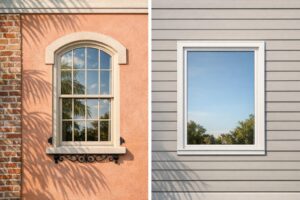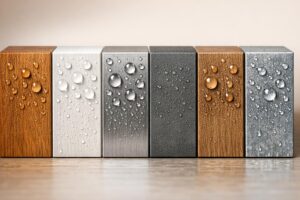
South Carolina’s hot summers, high humidity, and coastal challenges make selecting the right windows essential for comfort, energy savings, and durability. Here’s what you need to know:
- Top Choices: Vinyl and fiberglass windows are the best options for South Carolina’s climate due to their energy efficiency, moisture resistance, and long-term durability.
- Key Features: Look for windows with a low Solar Heat Gain Coefficient (SHGC) (≤ 0.25) and U-factor (≤ 0.30) to reduce cooling costs by up to 25%.
- Coastal Considerations: Homes near the coast require materials resistant to salt air, corrosion, and hurricane-force winds.
- Costs: Installation prices range from $395 to $1,993, depending on material and features. Vinyl offers affordability, while fiberglass provides superior durability.
Quick Tip: Professional installation ensures proper energy efficiency and protects your investment.
Below, we compare vinyl, fiberglass, aluminum, and wood windows to help you make the best decision for your home.
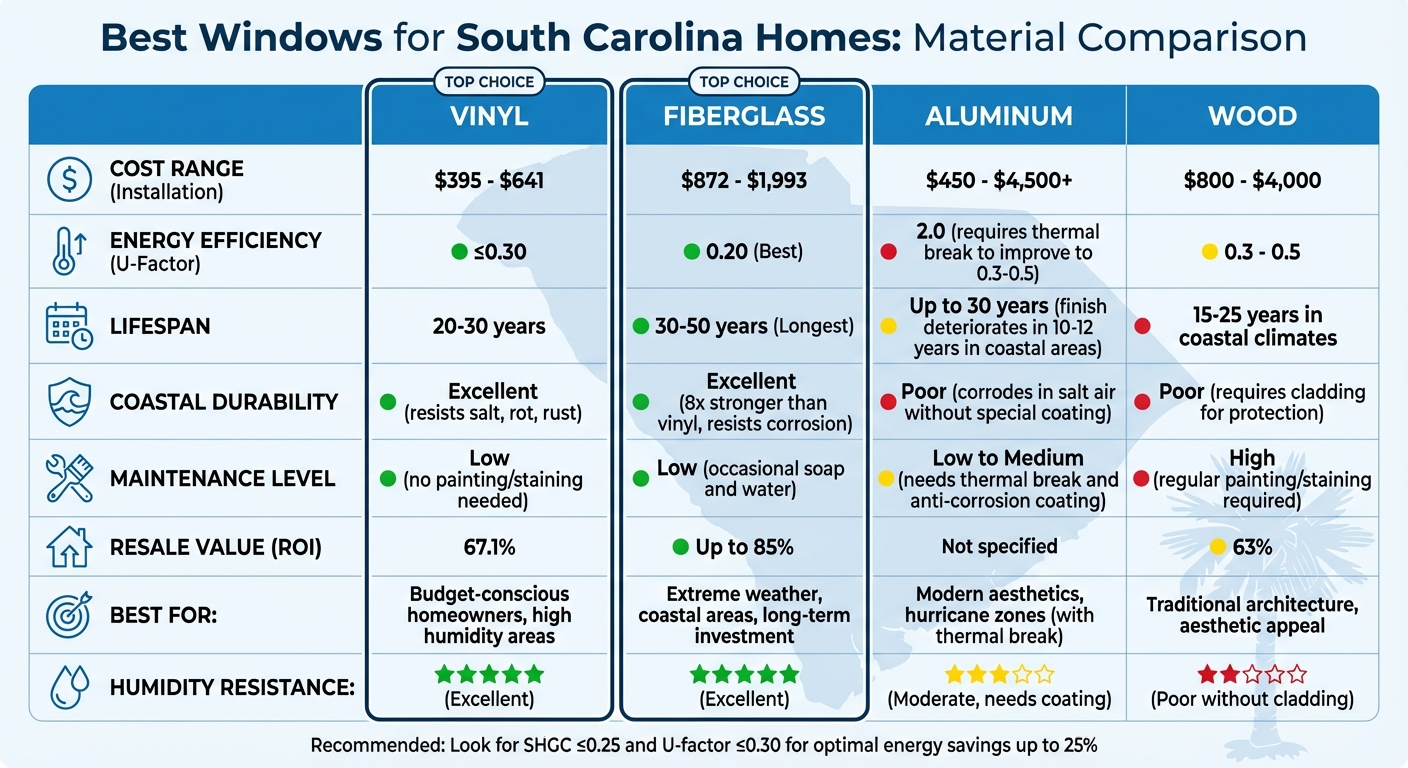
Comparison of Window Materials for South Carolina Homes: Vinyl, Fiberglass, Aluminum, and Wood
1. Vinyl Windows
Vinyl windows are a popular choice for South Carolina homeowners, offering a practical mix of performance and affordability. These windows are crafted from polyvinyl chloride (PVC) and enhanced with UV stabilizers, making them resistant to intense sunlight, moisture, rot, and insects. As ProVia explains:
"Vinyl ensures long-lasting color retention and low maintenance, plus the added confidence of a warranty against rotting, cracking, pitting, corroding and peeling."
Energy Efficiency
Vinyl windows are designed with energy savings in mind. Their hollow frames can be insulated with materials like graphite polystyrene foam, providing better thermal resistance compared to aluminum or basic wood frames [2, 14]. When combined with features like low-E coatings and argon gas fills, these windows can cut energy loss by 30% to 50% – a crucial benefit for combating South Carolina’s sweltering summers. For even better efficiency, casement and awning styles are ideal as their tight seals minimize air leakage.
Durability in Humid/Coastal Conditions
In coastal areas like Charleston, windows must endure salt air and high humidity. Vinyl windows are particularly well-suited for these challenges, as they resist rot and rust. Many high-quality options also feature sloped sills that help water drain quickly. According to Window World of the Lowcountry, which has a 4.3/5 star rating from 305 Google reviews:
"Our high-quality vinyl components never chip, peel, crack, or warp."
For extra protection in coastal environments, look for models with barrier fin weatherstripping and bulb seals to keep out air, water, and salt spray. This durability not only withstands harsh conditions but also contributes to long-term cost savings.
Cost-Effectiveness
Vinyl windows are an economical choice for South Carolina homeowners. Energy Star-certified double-hung vinyl windows typically cost around $495.00 to install, with standard models starting at roughly $395.00. Casement window prices range from $452.00 to $687.00, and even triple-pane options generally stay under $695.00. Additionally, vinyl windows require no painting or staining, which lowers maintenance expenses – a key advantage in humid climates where paint can easily peel [2, 14].
Aesthetic Appeal
Modern vinyl windows offer a wide range of styles and finishes to suit South Carolina’s diverse homes. Interior options include woodgrain patterns like Cherry, Oak, or Maple, while exterior colors range from Black and Bronze to Clay and English Red. Advanced FineLine technology ensures cleaner, more polished corner welds. Some vinyl window lines have even earned the Good Housekeeping Seal for their quality and performance [11, 13].
For energy-efficient vinyl windows tailored to South Carolina’s climate, check out Icon Window & Door for more details.
sbb-itb-cdbcc3e
2. Fiberglass Windows
Fiberglass windows are built to handle South Carolina’s challenging climate, including intense heat and coastal humidity. Constructed from glass fibers and resin, these windows are designed as a thermoset material, meaning they maintain their shape and strength even under extreme temperatures. As Marvin explains:
"A thermoset fiberglass composite won’t soften or melt when exposed to environmental temperatures. As a result, it is more resistant to pressure and temperature than vinyl-based composites."
Energy Efficiency
Fiberglass windows excel in insulation, boasting U-factors as low as 0.20 compared to vinyl’s 0.30, which translates to better energy efficiency. Their design includes air cavities that can be filled with insulation, further improving thermal resistance. Combined with low-E coatings and a Solar Heat Gain Coefficient (SHGC) below 0.23, these windows are effective at keeping out solar heat while retaining cool indoor air. This can lead to noticeable savings on energy bills – homeowners may save an average of $42.50 per month after upgrading. This high level of thermal performance makes fiberglass windows an excellent choice for South Carolina’s hot and humid summers.
Durability in Humid/Coastal Conditions
Fiberglass windows are particularly well-suited for coastal areas like Myrtle Beach and Hilton Head, where humidity and salt exposure are constant challenges. They are eight times stronger than vinyl and resist rot, decay, and salt corrosion. Additionally, fiberglass expands at nearly the same rate as glass, ensuring tight seals and reducing the risk of leaks. Nicole Willits, Strategic Product Initiatives and Sustainability Manager at Pella Corporation, emphasizes their reliability:
"Fiberglass windows are ready to handle virtually anything life throws at them. They are very durable and best for homes in extreme weather conditions, such as the triple-digit heat… They are tested to extreme heat and cold, damaging UV rays, and conditions of seacoast environments."
With a lifespan ranging from 30 to 50 years – compared to vinyl’s 20 to 30 years – fiberglass windows are a long-lasting investment.
Cost-Effectiveness
While fiberglass windows require a higher initial investment, typically costing around $651 per window with installation prices ranging from $872 to $1,993 depending on size and features, their durability and energy efficiency often justify the expense. Professional installation adds about $300 per unit. Over time, the energy savings and minimal maintenance requirements – just occasional cleaning with soap and water – make them a practical choice. Their powder-coated finishes resist fading, eliminating the need for repainting or staining. Homeowners can expect a return on investment of up to 85%, with the typical break-even period for energy-efficient upgrades being approximately 10 years.
Aesthetic Appeal
Fiberglass windows offer a range of styles and finishes, allowing homeowners to achieve either a classic wood look or a sleek modern design. Their strength enables thinner frames, maximizing the glass area for more natural light. For coastal homes needing extra protection, fiberglass frames can be paired with laminated glass to guard against storm debris.
For those seeking a durable, energy-efficient, and stylish option, high-quality fiberglass windows are available at Icon Window & Door.
3. Aluminum Windows
Aluminum windows bring a sleek, minimalistic design to the table, but they require specific adjustments to perform well in South Carolina’s challenging climate. While these frames are incredibly strong – about eight times stronger than vinyl – their performance depends heavily on addressing some key drawbacks.
Energy Efficiency
One of aluminum’s biggest challenges is its tendency to conduct heat quickly, making it a poor insulator unless properly modified. According to the U.S. Department of Energy:
"Although very strong, light, and almost maintenance free, metal or aluminum window frames conduct heat very rapidly, which makes metal a very poor insulating material."
Standard aluminum frames can have a U-value as high as 2.0, compared to the much lower range of 0.3–0.5 for wood or vinyl. To improve energy efficiency, aluminum windows must include a thermal break – a plastic insulating strip that separates the interior and exterior parts of the frame to reduce heat transfer. Zero-Energy Home Designer Armando Cobo emphasizes this point:
"Do not buy aluminum-framed windows if they are not thermally-broken. They are highly conductive, which increases the potential for condensation."
For better performance, look for windows with a Solar Heat Gain Coefficient (SHGC) of 0.23 or lower to help control cooling costs. Adding low-e coatings is another option, which can increase the price by 10% to 15% but cut energy loss by 30% to 50%.
These energy-related concerns tie directly into durability issues, particularly in South Carolina’s humid and coastal regions.
Durability in Humid/Coastal Conditions
Aluminum’s strength makes it a solid choice for areas with strict building codes, especially in hurricane-prone regions like Charleston. However, the material doesn’t hold up well in salty, humid environments. Salt air and moisture can lead to corrosion, and the finish on aluminum frames often starts to deteriorate within 10 to 12 years. Sea Island Builders highlights this issue:
"Because of the lack of longevity in the finish of an aluminum-clad frame, we do not recommend these windows to our clients."
If you live near the ocean, alternatives like fiberglass or vinyl will last much longer and require less maintenance.
Cost-Effectiveness
The technical challenges of aluminum windows also impact their long-term cost. Thermally improved aluminum windows typically cost between $450 and $1,200, while impact-resistant models, such as PGT WinGuard, range from $900 to $3,000+ per window. Premium all-aluminum collections can cost as much as $2,000 to $4,500+ per unit.
Although aluminum windows require less upkeep than wood, their shorter lifespan in coastal settings – where finishes may deteriorate within a decade – can reduce their overall value. On the upside, energy-efficient windows can save homeowners $200 to $600 per year on energy bills. Additionally, federal tax credits covering 30% of costs, up to $600, are available through December 31, 2025.
Aesthetic Appeal
Aluminum windows shine when it comes to narrow frame profiles, which maximize glass area and complement modern architectural styles. The material’s strength supports larger window spans without sacrificing structural stability. While their sleek, contemporary design is a major selling point, these windows still face challenges with energy efficiency and durability. For South Carolina homeowners who prioritize aesthetics and modern design, thermally broken aluminum windows offer a visually striking option. However, it’s important to weigh their stylish appeal against the higher energy costs and durability concerns in coastal environments.
4. Wood Windows
Wood windows are known for their excellent natural insulation, with U-factors ranging from 0.3 to 0.5. This makes them a solid choice for keeping homes cooler during South Carolina’s sweltering summers. However, the region’s high humidity can be problematic. Wood tends to absorb moisture, which can lead to warping, rot, and swelling. These issues not only affect the window’s airtight seal but also reduce its energy efficiency. This raises concerns about their long-term durability, especially in humid coastal areas.
Durability in Humid/Coastal Conditions
In coastal regions, solid wood windows often struggle to hold up against the elements. According to Sea Island Builders, the combination of salt air and high humidity accelerates deterioration, potentially shortening their lifespan to less than the typical 15–25 years expected in Southern coastal climates. To combat this, wood-clad windows are a smarter choice. These feature a wood interior for insulation and an aluminum or vinyl exterior for added protection and reduced maintenance needs. As Energy.gov explains:
"Wood window frames insulate relatively well, but they require regular maintenance, although aluminum or vinyl cladding reduces maintenance requirements."
Without cladding, wood windows demand consistent care, including frequent painting or staining, to prevent decay and maintain performance.
Cost-Effectiveness
The durability challenges of wood windows also come with financial considerations. These windows are a premium option, with prices ranging from $800 to $4,000 per window. For instance, wood-clad models like Harvey Majesty fall between $800 and $1,800, while brands such as Andersen A-Series and Marvin Signature Ultimate range from $1,200 to $3,700. At the higher end, Loewen All-Wood windows can cost $1,800 to $4,000 or more. Despite the cost, they often recover about 63% of their project expenses upon resale, making them a worthwhile investment for many homeowners.
Aesthetic Appeal
Wood windows bring a timeless charm that complements traditional architectural styles like Colonial Revival and Craftsman. Custom designs, such as those featured at Cougar Point Golf Club, can be tailored with stains or paints to match any aesthetic. Pairing wood interiors with aluminum cladding enhances their moisture resistance while preserving their classic appearance, making them a practical yet stylish choice.
Pros and Cons
Let’s break down the advantages and disadvantages of different window materials, keeping South Carolina’s unique climate in mind.
Vinyl windows are the most budget-friendly option. Non-Energy Star models typically range from $395–$541, while Energy Star-rated versions cost around $495–$641. They resist moisture and require minimal maintenance, making them a practical choice. Plus, new vinyl installations can recover over 67.1% of their cost when selling your home. On the downside, vinyl can warp or sag in extreme heat and may become brittle during sudden cold snaps [16,24].
Fiberglass windows stand out for their energy efficiency and durability. They’re incredibly strong and maintain tight seals even as temperatures fluctuate. Because fiberglass expands and contracts at nearly the same rate as glass, it holds seals better over time. While the upfront cost is higher, their long lifespan often makes them a smart long-term investment.
Aluminum windows are low-maintenance and can last up to 30 years. However, they conduct heat quickly, so a thermal break is essential to improve insulation. For coastal areas, specialized anti-corrosion coatings are a must to protect against salt air damage.
Wood windows offer excellent natural insulation and a classic look. They also provide a decent return on investment, recouping about 63% of their cost at resale [9,23]. However, they require more upkeep, like regular painting or staining, to prevent rot in South Carolina’s humid climate. Wood-clad options can reduce maintenance while still showcasing the aesthetic appeal of natural wood.
Each material has its strengths and weaknesses, so consider what matters most to you – cost, durability, maintenance, or aesthetics – when making your decision.
Conclusion
After carefully reviewing South Carolina’s hot and humid climate, fiberglass and vinyl windows stand out as the best choices for homeowners. Fiberglass excels in thermal stability, resisting warping and corrosion even during the sweltering summer months. On the other hand, vinyl offers strong moisture resistance at a more budget-friendly price, making it an attractive option. Both materials outperform traditional wood or aluminum windows, particularly when it comes to handling the state’s humidity and frequent heavy rains.
No matter which material you decide on, professional installation is non-negotiable. As the U.S. Department of Energy points out, "Even the most energy-efficient window must be properly installed to ensure energy efficiency and comfort". A poor installation job can not only void your warranty but also negate any energy savings you hoped to achieve.
Beyond installation, the right window features are key to optimizing energy efficiency. Look for windows with Low-E coatings and a Solar Heat Gain Coefficient (SHGC) of 0.23 or less. These features can reduce energy loss by 30% to 50%, which can significantly lower your cooling costs.
For homeowners in Charleston and beyond, Icon Window & Door offers tailored window solutions specifically designed for South Carolina’s climate. With over five decades of combined expertise, they provide energy-efficient window options along with professional installation services that safeguard your investment and uphold manufacturer warranties. They also offer free consultations to help you find the perfect windows for your home’s specific needs and budget.
FAQs
Why are vinyl windows a great choice for homes in South Carolina?
Vinyl windows are a smart choice for homes in South Carolina. They’re built to handle the state’s hot and humid weather while staying affordable and energy-efficient. Typically priced between $150 and $400 per window, they offer a cost-effective way to upgrade your home without sacrificing quality or performance.
One of the standout features of vinyl windows is their natural ability to resist heat transfer. This helps keep your home cooler during the scorching summer months and warmer during the winter, which can translate into noticeable savings on your energy bills. On top of that, vinyl windows are low-maintenance. They don’t warp, crack, or peel, even after years of exposure to South Carolina’s intense sunlight and frequent heavy rains.
With their affordability, energy-saving benefits, and durability, vinyl windows are a reliable and practical option for homeowners across the state.
Are fiberglass windows a good choice for South Carolina’s coastal homes?
Fiberglass windows are a smart choice for coastal homes in South Carolina, thanks to their strength, durability, and energy-saving properties. Unlike wood, which is prone to rot, or aluminum, which can corrode in salty air, fiberglass stands up to the region’s hot, humid, and salty conditions. It resists warping, moisture damage, and corrosion, making it a reliable option for this challenging environment.
Another advantage of fiberglass is its excellent insulation. It helps keep homes comfortable during South Carolina’s summer highs, which often reach the mid-90s °F, and winter lows around 35 °F. Compared to vinyl, fiberglass lasts longer, and it requires significantly less upkeep than wood. While the initial cost may be higher, the long-term energy savings and durability make fiberglass windows a worthwhile investment for coastal properties.
At Icon Window & Door, we offer fiberglass windows specifically designed to meet South Carolina’s coastal building standards. These windows deliver energy efficiency and low-maintenance performance, ensuring they can handle the unique climate challenges of the region.
What should I look for in energy-efficient windows for South Carolina’s climate?
When picking windows for South Carolina’s hot and humid weather, prioritize energy efficiency and long-lasting materials. Certain frame materials – like vinyl, wood, fiberglass, or composite – provide better insulation compared to aluminum, helping to lower cooling costs during those sweltering summers.
For the glass, go with double- or triple-pane windows filled with gases like argon or krypton to boost insulation. Adding a low-emissivity (low-E) coating is another smart move – it reflects heat, keeping your home cooler in the summer and cozier in the winter. Pay attention to windows with a low U-factor, which indicates less heat transfer, and a low Solar Heat Gain Coefficient (SHGC) to block excessive heat while still letting in natural light.
To ensure top performance, choose ENERGY STAR-certified windows and have them professionally installed to avoid drafts and moisture problems. Companies like Icon Window & Door provide energy-efficient windows tailored for South Carolina’s climate, offering durable materials and reliable performance to suit your home.