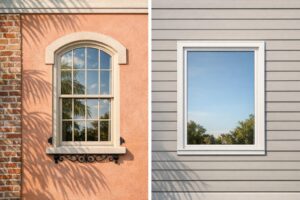
Steel windows are a smart choice for modern homes focused on energy efficiency. They combine long-lasting performance, sleek design, and energy-saving benefits. Here’s why they stand out:
- Durability: Steel windows can last for decades with minimal maintenance, resisting weather damage better than wood or aluminum.
- Energy Efficiency: Steel conducts heat at only one-fifth the rate of aluminum, especially when paired with thermal breaks and energy-efficient glazing.
- Sustainability: Many steel windows are made from nearly 100% recycled steel, supporting resource conservation and reducing carbon footprints.
- Design Flexibility: Thin profiles allow for larger glass panes, offering clean, modern aesthetics and maximizing natural light.
For homeowners and builders, steel windows offer a practical way to reduce energy costs, meet environmental standards, and achieve a refined look.
Benefits of Recycled Steel in Window Frames
Choosing recycled steel for window frames is a win-win for both the environment and your wallet. Unlike many materials that degrade in quality when recycled, steel retains its full strength and structural integrity, even after multiple recycling cycles. This means windows made from recycled steel are just as durable and reliable as those made from new steel, but with a much smaller environmental footprint.
Environmental Benefits of Recycled Steel
Steel holds the title of being the most recycled material in the United States, making it an excellent choice for eco-conscious homeowners. Opting for windows made from recycled steel supports a circular economy by keeping valuable resources out of landfills and reducing the demand for newly mined materials.
Many manufacturers now use 100% recycled steel in their products, and these materials remain fully recyclable at the end of their lifespan. Steel windows are also recognized by environmental rating systems. For example, the Building Research Establishment’s "Green Guide" gives steel windows and doors a B rating for sustainability, helping builders and homeowners achieve green building certifications. Plus, the long lifespan of steel windows – often lasting for decades – means fewer replacements and a significant reduction in resource use over time.
Cost and Performance Advantages
Recycled steel not only matches the strength of virgin steel but often comes at a lower cost. This affordability doesn’t come at the expense of quality; recycled steel windows offer the same durability, weather resistance, and energy efficiency as their virgin counterparts.
The financial advantages don’t stop at the initial purchase. Thanks to their exceptional longevity, steel windows require less frequent replacement and minimal maintenance, resulting in significant savings over the years. While the upfront cost might be higher than some alternatives, the long-term value makes them a smart investment for homeowners planning to stay in their homes for years to come.
Performance-wise, recycled steel windows excel in durability, weather resistance, and thermal efficiency. They conduct heat at just one-fifth the rate of aluminum, making them an energy-efficient choice. When paired with modern thermal break technology and energy-efficient glazing, these windows provide outstanding insulation.
For homeowners in regions like South Carolina, where companies such as Icon Window & Door specialize in high-quality, energy-efficient window solutions, recycled steel windows offer an ideal combination of sustainability and performance. They’re built to handle demanding climates while supporting environmental goals, proving that responsible choices can go hand in hand with top-notch quality and efficiency. These benefits align perfectly with the energy-saving priorities of modern home design.
Energy Performance and Durability of Steel Windows
Steel windows are known for their excellent energy efficiency and remarkable durability. Even before additional insulation is applied, steel windows naturally limit heat transfer. Recent advancements have only enhanced these qualities, making them a top choice for modern homes and buildings.
Thermal Break Technology in Steel Frames
One of the standout features in steel window design is thermal break technology, which significantly reduces thermal bridging. For instance, Hope’s Thermal Evolution™ demonstrates how solid steel can maintain its strength while improving thermal insulation. When combined with low-emissivity (low-E) coatings and double or triple-pane glazing, these windows create a strong barrier against heat loss during winter and heat gain in summer. Additionally, modern steel windows often feature slimmer frame profiles, which allow more natural light to pour in while still minimizing energy transfer.
Long-Term Durability and Maintenance
Steel windows don’t just offer energy efficiency – they’re built to last. With proper care, they can remain functional for over 50 years. Unlike wood, which is prone to rot, or aluminum, which can corrode, steel resists warping, cracking, and weather damage. In fact, many historic buildings in the U.S. still have their original steel windows in excellent working condition, even after half a century.
Maintenance for steel windows is straightforward. Regularly cleaning the frames, lubricating the hardware, and checking the weatherstripping are usually all that’s needed. Protective coatings applied to modern steel windows prevent rust and make the frames resistant to air and water infiltration. While repainting or recoating might be necessary every 10–20 years, depending on the climate and exposure, this minimal upkeep makes steel windows a cost-effective, long-term investment.
For homeowners in South Carolina, Icon Window & Door offers steel windows equipped with advanced thermal break technology and protective finishes. These features not only ensure energy efficiency and durability but also align with stringent green building standards. Notably, the Building Research Establishment’s "Green Guide" gives steel windows a B rating for sustainability, highlighting their long service life and reduced need for replacement – both of which translate into significant cost savings over time.
Current Trends in Steel Window Manufacturing
In recent years, the steel window industry has seen remarkable advancements, blending traditional durability with modern innovations. Today’s steel windows are designed to meet strict energy efficiency standards while offering unmatched design versatility, making them a popular choice for contemporary homes.
Custom Design Options and Flexibility
Steel window manufacturing has pushed beyond conventional size and shape limitations. Architects and homeowners now have access to a variety of customizable options that balance aesthetic appeal with energy performance. These include oversized panes that flood spaces with natural light and unique geometric shapes that complement modern architectural designs.
One standout innovation is the introduction of slim-frame designs. These allow for larger glass areas without compromising the structural strength steel is known for. With these sleek profiles, homes benefit from increased daylight, reducing reliance on artificial lighting and supporting energy-saving goals. Advanced manufacturing techniques, such as fusion-welded corners and triple-groove weatherstripping, ensure that even custom designs maintain excellent energy efficiency and weather resistance.
For instance, Icon Window & Door in South Carolina demonstrates this trend by accommodating non-standard sizes like 60-inch-wide windows – well beyond the typical 54-inch limit – while maintaining high performance. These advancements not only expand design possibilities but also pave the way for integrating smart technologies, creating windows that are as functional as they are stylish.
Smart Technology Features
Steel windows have evolved into more than just static features – they now play an active role in energy management thanks to smart technology. Automated shading systems, for example, can adjust settings based on factors like time of day, weather, or indoor temperature, optimizing daylight use and minimizing heat gain.
Remote operation features add another layer of convenience, allowing homeowners to manage ventilation or secure windows from anywhere. Additionally, many steel windows now include energy monitoring tools, providing real-time data on thermal performance. This helps homeowners make informed decisions about heating, cooling, and ventilation, enhancing both comfort and efficiency.
The market for steel windows is projected to grow steadily through 2033, driven by these technological advancements and an increasing demand for energy-efficient building materials. In North America, renovation projects are a key driver, as more homeowners opt for smart, energy-efficient steel windows that integrate seamlessly with modern home automation systems.
sbb-itb-cdbcc3e
Steel Windows in Green Building Standards
Steel windows play a vital role in sustainable construction, contributing to green certifications and reducing emissions. Their combination of recycled materials and energy-efficient performance makes them a smart choice for projects aiming to meet demanding environmental standards. These qualities not only enhance sustainability but also help projects comply with strict green building certifications.
Meeting Green Building Certification Requirements
Incorporating recycled steel into construction can earn projects valuable LEED points while aligning with broader energy-efficiency goals. Under the Materials and Resources category, steel windows gain credits for their high recycled content. Additionally, their energy-efficient performance contributes to points under the Energy and Atmosphere category. The U.S. Green Building Council recognizes steel windows as environmentally responsible due to their durability and ability to be fully recycled.
Take Hope’s steel windows, for instance. Made entirely from recycled steel, they’ve been featured in numerous LEED-seeking projects across the United States. These windows are commonly used in both historic renovations and new sustainable developments, showcasing their durability and environmental advantages.
Unlike vinyl windows, which tend to have shorter lifespans and limited recyclability, steel windows retain their structural integrity through multiple recycling cycles. This makes them a more sustainable choice for long-term use.
Reducing Construction Carbon Emissions
The environmental benefits of recycled steel extend far beyond the building itself. Producing recycled steel requires significantly less energy compared to manufacturing steel from raw materials, which results in lower greenhouse gas emissions. By specifying recycled-steel windows, architects and builders can reduce a project’s carbon footprint while supporting a circular economy.
Windows made entirely from recycled steel scrap are becoming increasingly common. Their long lifespan reduces the need for frequent replacements, conserving resources over time.
To maximize environmental benefits, architects should prioritize steel windows with high recycled content and advanced thermal break technologies. Collaborating with manufacturers that use eco-friendly coatings and responsibly sourced materials can further enhance a project’s sustainability profile. For example, Icon Window & Door in South Carolina focuses on efficiency and craftsmanship, ensuring their products meet green building standards.
Regulatory trends are also pushing for greater adoption of steel windows, as building codes increasingly emphasize energy efficiency and sustainable materials. Combined with growing consumer interest in environmentally friendly construction, these factors are driving the popularity of steel windows in sustainable building projects across the United States.
Why Steel Windows Work Well for Energy-Efficient Homes
Steel windows stand out as a smart choice for homeowners who want to combine energy efficiency with durability. They are designed to deliver excellent thermal performance while offering long-lasting value, making them a practical option for modern, eco-conscious homes.
One key advantage is steel’s thermal properties, which are among the best for metal frames. When paired with thermal break technology, steel windows significantly reduce heat transfer. Advances in manufacturing, like improved weatherstripping and fusion-welded designs, help minimize air and water infiltration. This translates to lower heating and cooling costs throughout the year, keeping energy bills in check.
Another benefit is their longevity. Steel windows can last for decades with very little upkeep, which means fewer replacements and less waste over time . Plus, steel is nearly 100% recycled material and can be recycled again at the end of its life, making it a sustainable choice that supports the circular economy.
Aesthetic appeal is another strong point. Steel’s slim frame design allows for larger glass areas without sacrificing strength. This means more natural light can flood into your home, reducing the need for artificial lighting and adding a modern, open feel to your space .
For homeowners in South Carolina looking to upgrade their homes with energy-efficient materials, companies like Icon Window & Door offer steel window solutions tailored to the region’s specific climate and energy needs. Their commitment to quality and efficiency ensures that you get products designed to perform well in local conditions.
With their energy-saving features, durability, and sustainable materials, steel windows are an excellent choice for those who value both immediate benefits and long-term environmental responsibility. They seamlessly combine performance and style, making them a key element in energy-efficient home design.
FAQs
How do steel windows enhance energy efficiency and durability in homes?
Steel windows stand out as a smart option for energy-efficient homes, thanks to their strength, sleek design, and compatibility with advanced glazing. Plus, using recycled steel for window frames not only minimizes environmental impact but also ensures they last for years to come.
When combined with modern insulation methods, steel frames deliver excellent thermal performance, helping to regulate indoor temperatures more effectively. Their long lifespan means fewer replacements, which translates to savings and a more eco-friendly choice in the long run.
How does using recycled steel in window frames benefit the environment and improve a home’s sustainability?
Using recycled steel for window frames brings a host of eco-friendly benefits. For starters, it cuts down on the demand for producing new steel, which in turn helps reduce energy consumption and greenhouse gas emissions during manufacturing. On top of that, recycling steel helps preserve natural resources, minimizes landfill waste, and promotes a circular economy where materials are reused rather than discarded.
Beyond its environmental perks, steel frames are known for their durability and energy efficiency. They provide excellent insulation and deliver reliable, long-term performance, making them a smart option for homeowners who want to pair sustainable materials with lasting quality.
How have advancements in steel window design enhanced their flexibility and compatibility with smart home technologies?
Recent advancements in steel window manufacturing have transformed their design flexibility and compatibility with modern smart home systems. Many manufacturers now use recycled steel for window frames, which provides outstanding strength, energy efficiency, and eco-conscious benefits. These improvements make it possible to create slimmer frames, larger glass surfaces, and effortless integration with smart features like automated shades, lighting, and climate control.
Steel windows also excel in thermal performance, helping homeowners cut down on energy bills without sacrificing style. With a blend of modern technology and classic aesthetics, steel windows are a standout option for energy-efficient homes equipped with smart systems.